

<img height="1" width="1" style="display:none;" alt="" src="https://px.ads.linkedin.com/collect/?pid=1549393&amp;fmt=gif">

What’s changing in
AI and why it matters
for your business

FROM THE AI DESK

Welcome to our September issue!

After a quieter stretch, the pace of AI updates is picking up again. Google has launched Pics, a new image creation and editing tool inside Workspace. Anthropic has released Claude Fable 5.1, with updates across research, coding, business workflows, computer use, and longer assignments. The company is also beginning to add invisible watermarks to supported Claude-generated text as new AI transparency requirements take effect.

In AI in Action, we go behind the familiar ChatGPT screen and look at what companies can manage with ChatGPT Enterprise, including users, apps, models, permissions, and usage.

What Changed in AI

Google Pics Brings AI Image Creation and Editing into Google Workspace

Google Pics is a new AI-powered image creation and editing tool built into Google Workspace. You can generate an image from a description, upload an existing image and change individual objects, edit text inside an image, translate visual content, and make changes from tools such as Google Slides.

For companies already using Workspace, this could replace some of the back-and-forth between presentations, image files, and separate design tools.

See what you can do with Google Pics →


Claude Fable 5.1 and Mythos 5.1: What's Changed Since Fable 5

Anthropic has released Fable 5.1 only a few months after Fable 5. The new version performed better in Anthropic's testing across scientific research, coding, business workflows, computer use, and other complicated tasks.

See what's changed in Claude 5.1 →


Claude Is Adding Invisible Watermarks to Its Writing. What Does That Mean?

Text created with supported Claude models may now contain an invisible watermark. There is no logo, hidden phrase, or visible marker. Instead, Claude makes certain word choices across a longer passage that create a statistical pattern a detection system can later look for.

The change is connected to new European AI transparency requirements, but Anthropic is applying the watermark globally.

See how Claude's invisible watermark works →

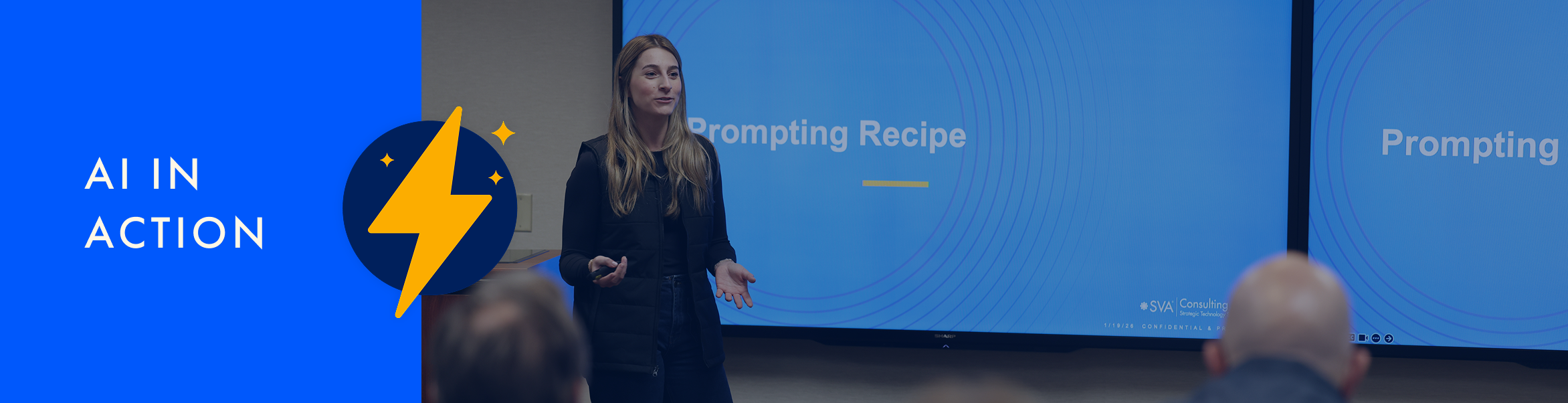
AI in Action

A Look Inside ChatGPT Enterprise: What the Upgrade Buys Beyond Security

For an employee, ChatGPT Enterprise can look much like the ChatGPT they already use. Behind that screen, the company has a separate set of controls.

Administrators can manage who has access, organize employees into groups, choose which models and apps are available, set permissions, review adoption and usage, and place limits around certain types of spending.

That is a different setup from employees using separate individual ChatGPT subscriptions, where each person largely manages their own settings, apps, and model choices.

Take a look inside ChatGPT Enterprise →

Role-Based Access Control

Role-Based Access Control

Role-based access control, often shortened to RBAC, means giving people access to tools or features based on their job or group.

A company might allow the design team to connect ChatGPT to Figma without making that integration available to everyone. A smaller group could also get access to a new AI feature first while the company decides whether it should be opened more widely.

RBAC gives companies a way to avoid treating every employee and every AI feature exactly the same.

How do we know when an AI feature is ready to roll out to everyone?

How do we know when an AI feature is ready to roll out to everyone?

We heard this question often when ChatGPT Work was released.

Start with a smaller group and see how the feature holds up during real work. Does it actually help? Are employees using it the way you expected? Do the permissions make sense? Are there situations where people need more guidance?

ChatGPT Enterprise, for example, lets administrators open certain apps or newer features to specific groups before making them available across the company.

A limited rollout gives you a chance to answer those questions before hundreds of employees start using the feature at once.


📬 Got a question for next month?

Each month we answer a real question from a real business — anonymously. Wondering something about AI? Submit a question and it might be next month's feature.

Propose a question for next month
SPECIAL INVITATION

Our AI Roundtables Are Back This Fall

Join SVA Consulting this October for a morning of practical AI discussion with business leaders from across industries.

We'll explore AI use cases and how to build them, talk through where organizations are finding opportunities and challenges, and make time for guided table conversations with other attendees. The sessions are designed for both leaders who are still exploring AI and those already experimenting with AI tools and automation.

Madison AI Roundtable | October 20

Register here

Brookfield AI Roundtable | October 21
Register here

Ready to transform your business?

Let’s chat! Just fill out the short contact form and our team will reach out shortly.
CONTACT US
